

Blog
Expert tips for healthy skin
Expert tips for healthy skin
"Why does my skin feel dry again just days after a Water Glow treatment? Why doesn't that hydrated feeling from the day of the treatment last?"
These questions often arise at our clinic in Myeongdong, Seoul, when we discuss Water Glow or skin booster treatments. Initially, your skin might feel plump from within, but a few days later, it can start feeling tight again, with dry patches appearing. This often leads to the conclusion that Water Glow treatments are only temporary.
Here's the thing, though: that dryness usually isn't a sign the treatment failed. More often it comes from picturing Water Glow as something that hydrates the surface. Once you frame it that way, every time the surface dries out you feel let down. So today I want to walk through what a skin booster actually does, which layer it works in, and why that's a different thing from surface moisturizing, the same way I'd explain it in the room.
This isn't a post recommending specific products. Instead, by understanding that the term "Water Glow" encompasses both surface hydration and dermal improvement, you can better discern what your skin truly needs.
Key Takeaways
- Surface moisturization with creams/ampoules works by layering moisture over the outermost skin layer, which washes away and dries up.
- Skin boosters/Water Glow injections target the dermis, enhancing moisture reservoirs and collagen production.
- The goal is not just 'hydrated for a day' but skin that naturally retains moisture.
- Results vary based on ingredients (like Rejuran/Juvelook) and application methods (consistent depth and quantity).
- Not everyone needs these treatments. Depending on your skin, surface moisturization might suffice.
Let's address a common misconception right away. Many people perceive Water Glow as a treatment that makes the skin's surface feel moist.
It's understandable. The name "Water Glow" has water in it, and your skin really does look dewy right after. But that surface dewiness is mostly a temporary effect as the injection points settle and heal. What a skin booster is actually after sits much deeper.
Let's distinguish between surface moisturization and dermal enhancement:
The return of dryness is due to the inherent nature of surface moisturization, which is meant to evaporate. Thus, feeling tightness again after a few days is typically less about the procedure itself and more about expecting dermal treatments to achieve what surface moisturization does.
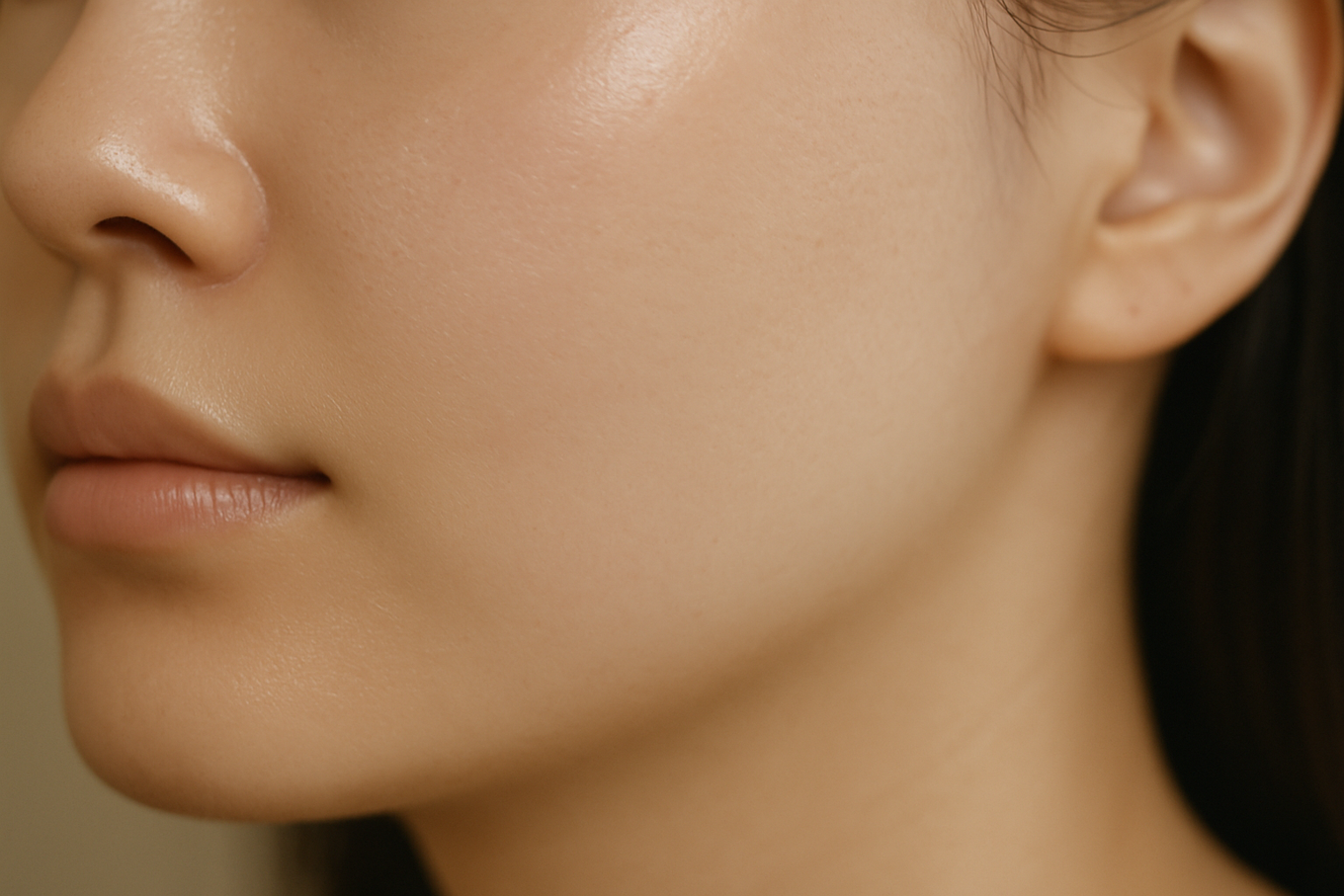
The glow that radiates from within is not from moisture applied on the surface, but from a nourished dermis.
So, what exactly do skin boosters do beneath the surface? This is where they diverge from surface moisturization.
The dermis, located beneath the epidermis, is the layer responsible for retaining moisture and supporting elasticity. It contains moisture-storing substances like hyaluronic acid and fibroblasts that produce collagen. As we age and accumulate sun damage, these moisture reservoirs diminish, and the collagen framework loosens. This is why even with surface creams, dry skin can feel tight if the deeper layers are dehydrated.
Skin boosters intervene directly in this dermal layer:
💡 The simple version - if surface moisturizing is pouring water into a cup that keeps draining, a skin booster works on the cup itself: making it bigger and patching the inside so it holds. The aim is skin that holds its own moisture, not skin that feels hydrated for a day.
Dermal enhancement isn't magic, though. It takes time for the infused ingredients to settle and for fibroblasts to respond, and this speed varies significantly depending on age and skin condition. Instead of expecting dramatic overnight changes, it's more accurate to anticipate gradual improvements.
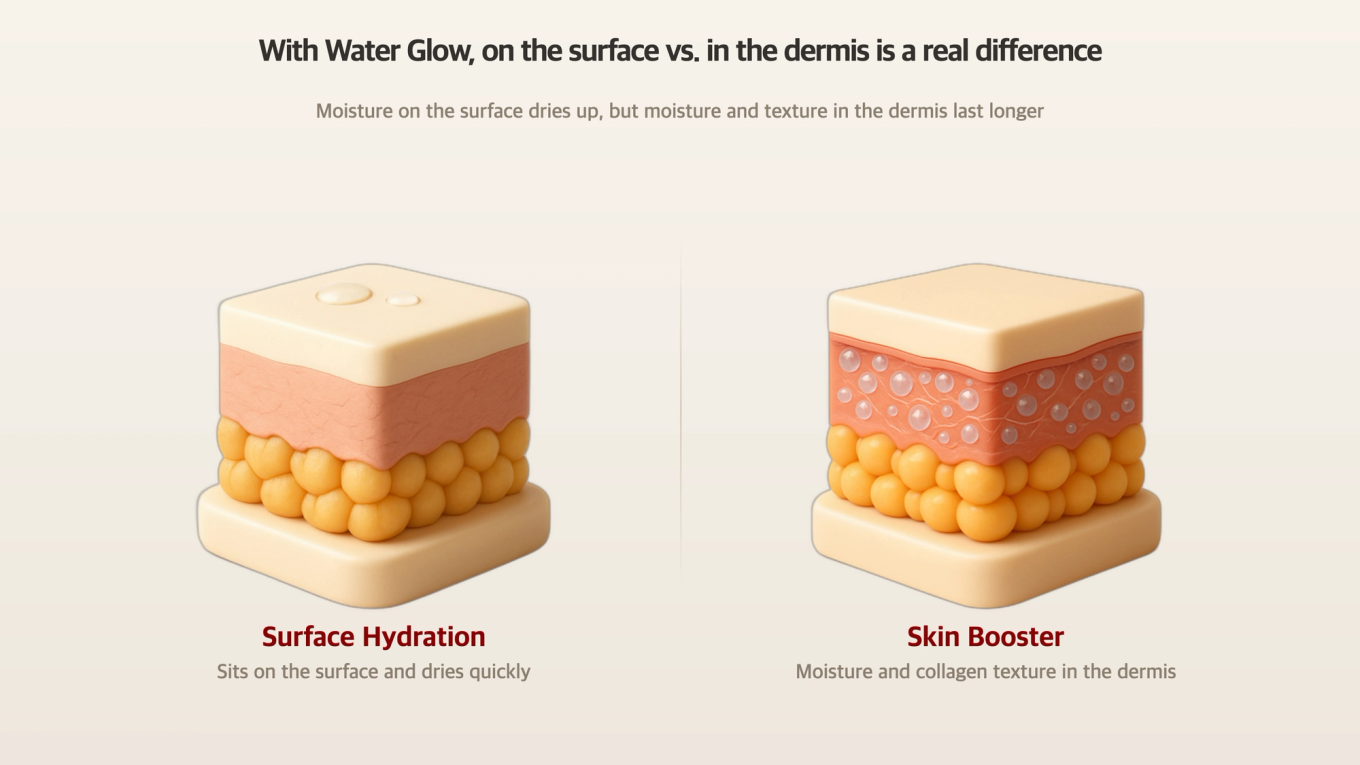
Surface moisturization evaporates on the epidermis, while skin boosters fill the dermis with moisture and collagen.
Now that you understand dermal treatments, the next natural question is, "What should be applied, and how?"
Correct. Both the ingredients and the method of application determine the results of a skin booster. Let's break these down.
First, what ingredients are used. Not all Water Glow treatments are the same. Hyaluronic acid focuses on moisture storage, Rejuran (polynucleotides) on repairing damaged skin, and Juvelook-like collagen-inducing agents emphasize structural support. Thus, the chosen ingredient depends on whether your skin needs more moisture, repair, or support. It's essential to use genuine products. Even if two products have the same name, their authenticity and formal distribution are critical for safety and effectiveness.
Second, how it's delivered. With a dermal treatment, results come down to how evenly the ingredient is placed at a consistent depth. Too shallow, and it clumps near the surface; too deep or uneven, and the texture can turn bumpy. Alongside placing it by hand, our clinic in Myeongdong, Seoul also uses a multi-injector (HYCOOX) to keep depth and volume even across the area. Even placement is what reads as smooth skin.
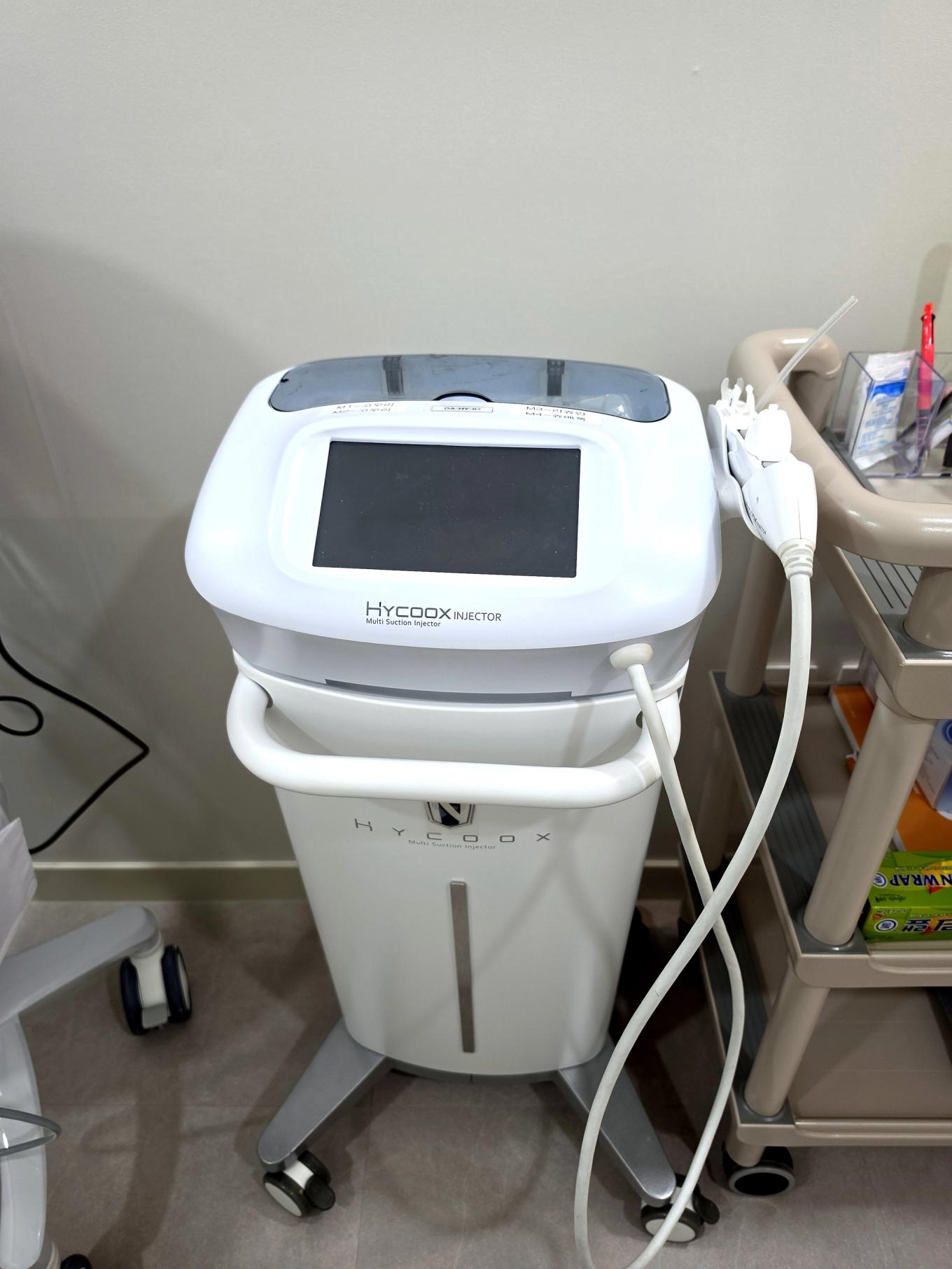
The outcome of dermal treatments is influenced by the evenness of depth and amount of infusion. Multi-injectors ensure consistency.
Regarding authenticity, this is a crucial point to address. Patients from China or Japan often ask, "Are these genuine products?" It's a valid concern. Since Water Glow isn't a one-time treatment but a repeated procedure, using officially distributed products is foundational for trust. We ensure using genuine products and well-maintained equipment.
Having understood the principles, you might now wonder, "Is this right for me?" When we assess in the clinic, we consider the following as a guide rather than a definitive answer.
Water Glow/Skin Boosters are more about maintaining texture over time rather than expecting immediate dramatic changes. Understanding this can help align expectations with outcomes.
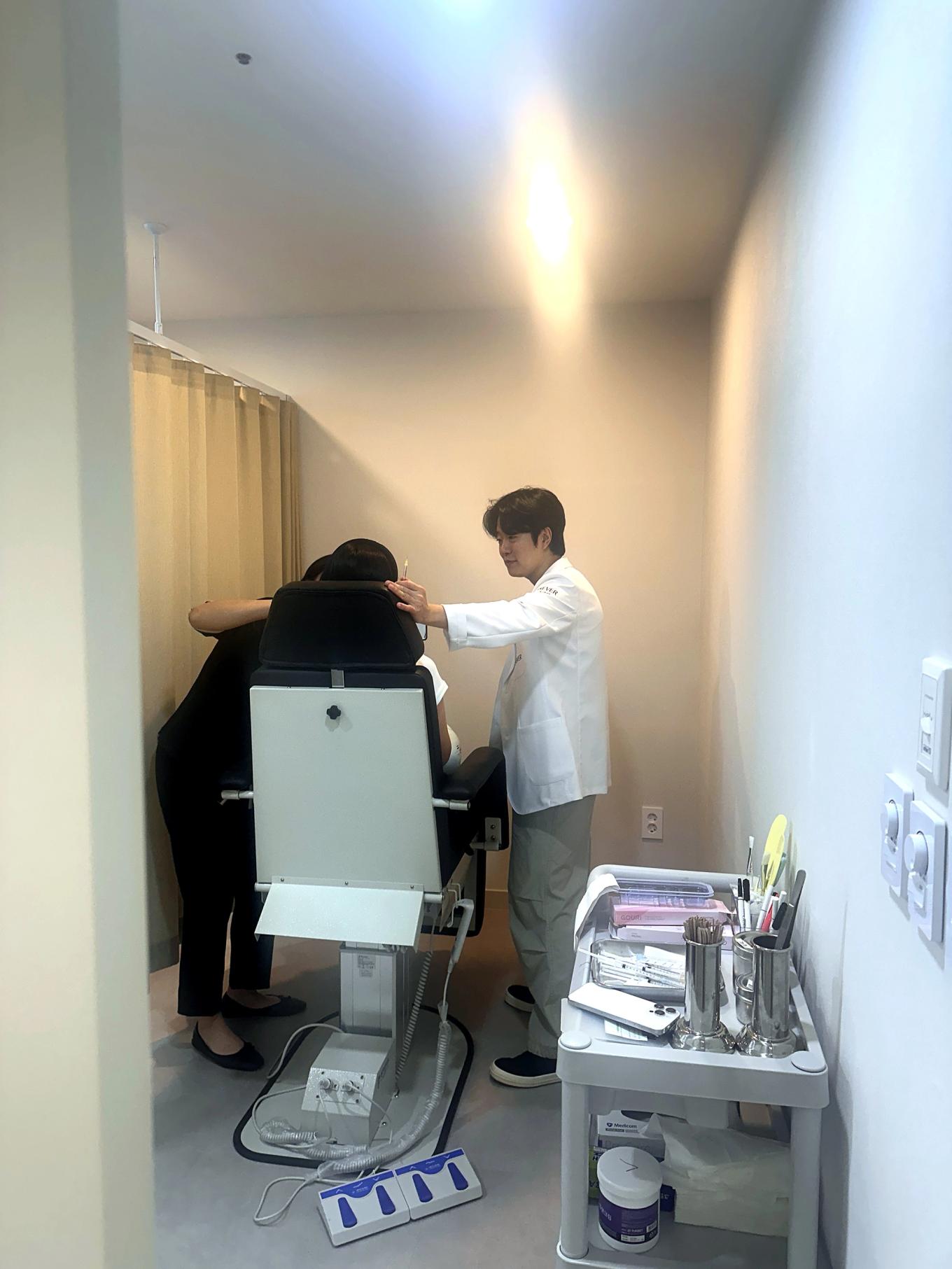
Even the same Water Glow treatment varies based on skin condition, affecting the choice of ingredients, depth, and quantity.
The more anticipated the treatment, the more misconceptions arise. Let's address a few honestly.
It doesn't change dramatically overnight. It takes time for the infused ingredients to settle and for fibroblasts to react. The initial moistness post-treatment is temporary, while the true dermal changes appear gradually. Hence, these treatments are usually repeated over time.
Your basic skincare still matters. Filling the dermis doesn't make surface care pointless. Everyday moisturizing and sun protection have to continue alongside a dermal treatment for the results to hold. Inside and outside are two different jobs, so you keep doing both.
Safety depends on ingredient authenticity. As these treatments infuse directly into the dermis, the legitimacy of the ingredients used is the starting point for safety. While minor swelling or marks post-treatment usually subside within days, individual reactions vary, so prior verification is crucial.
Basic hydration and soothing care should continue post-treatment to maintain results. Surface and dermal needs are distinct.
🩺 Doctor's Note - When treating patients, I often encounter the expectation, "One Water Glow session will keep me hydrated, right?" I refer them to the visuals we've discussed. Surface moisturization is meant to evaporate, while skin boosters address the dermal reservoirs and texture. Understanding that 'periodic, tailored treatments' are more accurate than 'one-time, lasting results' helps reconcile expectations with reality.
We frequently receive questions like, "I want to try Water Glow and lifting - which should I do first?" This stems from the different targets each treatment addresses. Let's compare these focus points.
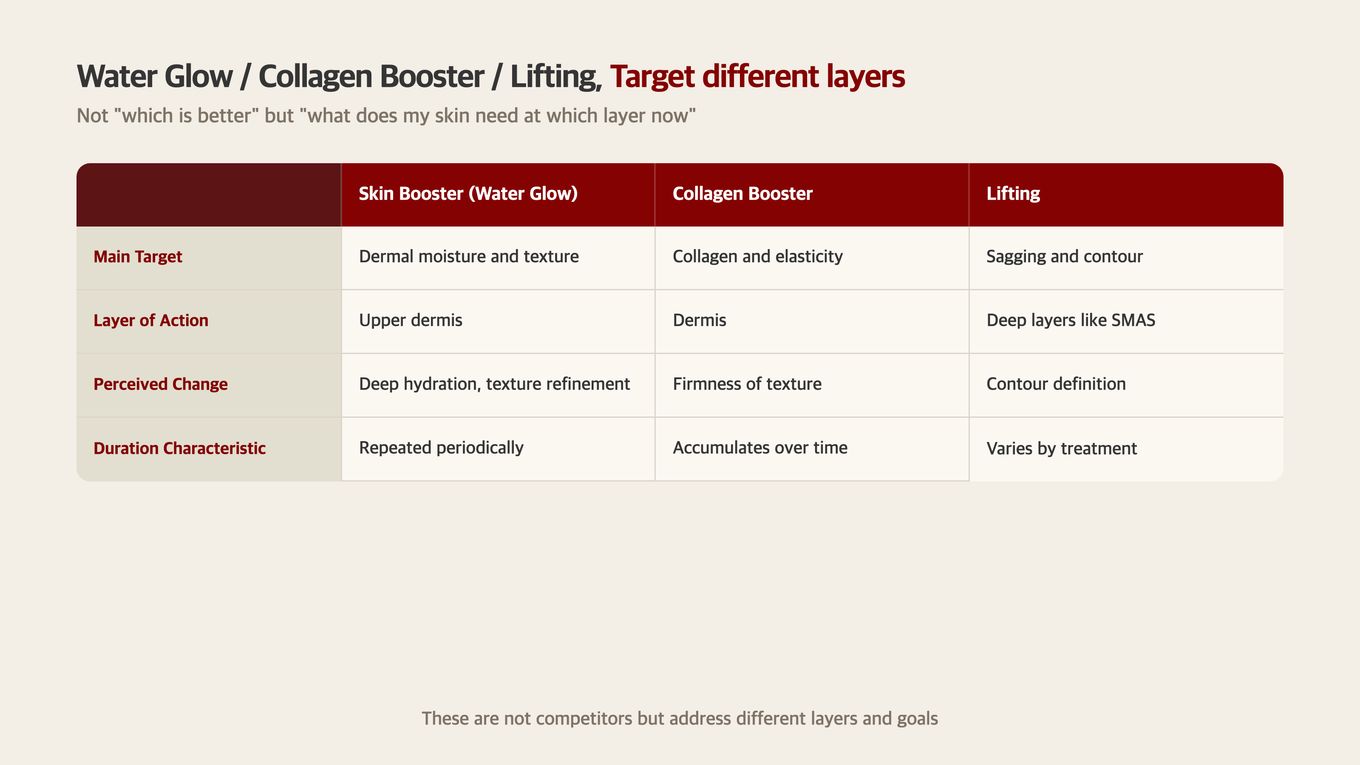
Each targets different skin layers and objectives, so choose based on what your skin currently needs.
Here's a quick summary:
⚠️ Remember - These treatments aren't competing; they each serve different layers and goals. The right question isn't "which is better?" but "what layer and issue is my skin struggling with now?" For more on how collagen boosters work, you can explore how collagen boosters remodel the dermis.
They are often used interchangeably. "Water Glow Injection" refers to infusing the dermis with moisture-retaining ingredients for a hydrated texture, while "Skin Booster" encompasses a broader range of treatments that improve the dermis with various ingredients (moisture/repair/collagen induction). Water Glow can be seen as a type of skin booster. Both primarily target the dermis, not the surface.
This often results from a misunderstanding, expecting dermal treatments to achieve what surface moisturization does. The initial moistness is temporary and involves healing from the procedure. True dermal changes develop gradually, so surface dryness and dermal enhancement operate on different timelines.
Water Glow/Skin Boosters are typically not one-time treatments but are repeated to maintain texture, as dermal moisture and collagen environments naturally diminish over time. However, the necessary frequency and number vary with skin condition, so it's more about assessing your skin than having a fixed number.
They target slightly different areas. Rejuran (polynucleotides) focuses on enhancing repair environments for damaged textures, while Juvelook (PLLA/PDLLA) emphasizes inducing collagen for foundational elasticity. Choose ingredients based on whether your skin needs repair or collagen. Ensuring the use of genuine products is always the first step.
If Water Glow seems to vanish in days, it's often because the expectation was set for 'surface hydration.' Surface moisturization is meant to evaporate, while skin boosters target the dermis's moisture reservoirs and collagen environment, which operate on a different timeline.
The subtle glow from within emerges when the dermis is nourished, differing from surface-applied moisture.
So what a skin booster is really going for isn't a day of dewiness, but skin that holds its own moisture. What you put in, whether it's genuine product, and how evenly it's placed are what decide the outcome.
But remember, not everyone needs these treatments. Some do well with surface moisturization, while others need deeper intervention. Determine if it's your surface or dermis that needs attention first - that's the priority, with skin boosters as the next step. Even if you only remember "Water Glow targets the dermis, not the surface," that's enough.
To learn more about how collagen boosters reinforce dermal collagen, you can also explore how stem cells and collagen boosters work together for a clearer picture of moisture and texture.
#SkinBooster #WaterGlowInjection #Dermis #WaterGlow #Rejuran #Juvelook #SkinMoisture #SkinTexture #MyeongdongDermatology #ForeverClinic